Whether you're replacing one tooth or rebuilding an entire smile, you deserve to understand every option before you decide anything. Here's each treatment our partner dentists offer: what it is, what's involved, who it may suit and what to weigh up, in plain English, with no pressure to proceed.
Start here
Clear information first. Decisions later.
Everything below is explained the way our partner dentists explain it in the chair. No treatment is right for everyone. Suitability is always determined by a comprehensive clinical assessment, never by a website.
Important: Any surgical or invasive procedure carries risks. Before proceeding, you should seek a second opinion from an appropriately qualified health practitioner. The information on this page is general in nature and is not a substitute for advice from an AHPRA-registered practitioner who has examined you.
Staged around youTreatment is sequenced to your clinical needs, priorities and budget.
Complete care
Full Mouth Rehabilitation
Full mouth rehabilitation is a coordinated, staged plan to restore the health, function and appearance of your whole mouth. Rather than fixing problems one at a time, your dentist assesses everything together (remaining teeth, gums, bite and jaw) and may combine dental implants, crowns, bridges and dentures depending on your clinical needs.
It begins with a comprehensive examination and a detailed 3D CBCT scan, from which your dentist prepares a personalised written treatment plan. Treatment is then staged across a series of appointments, often over several months, so each phase can heal and be reviewed before the next begins.
May suit you if:
You have multiple long-standing problems: worn, broken, missing or failing teeth affecting how you eat, speak or smile.
You'd prefer one coordinated plan rather than years of piecemeal, reactive fixes.
You want every option explained, including simpler and more conservative alternatives, before committing to anything.
Considerations: rehabilitation is a significant undertaking. Plans are staged over months, costs vary widely with the scope of treatment, and where extractions or implants are involved there are surgical risks and healing periods to plan around. Suitability is determined by clinical assessment.
3D-planned placementA CBCT scan is included in your free Dental Access Package, where clinically appropriate.
Tooth replacement
Dental Implants
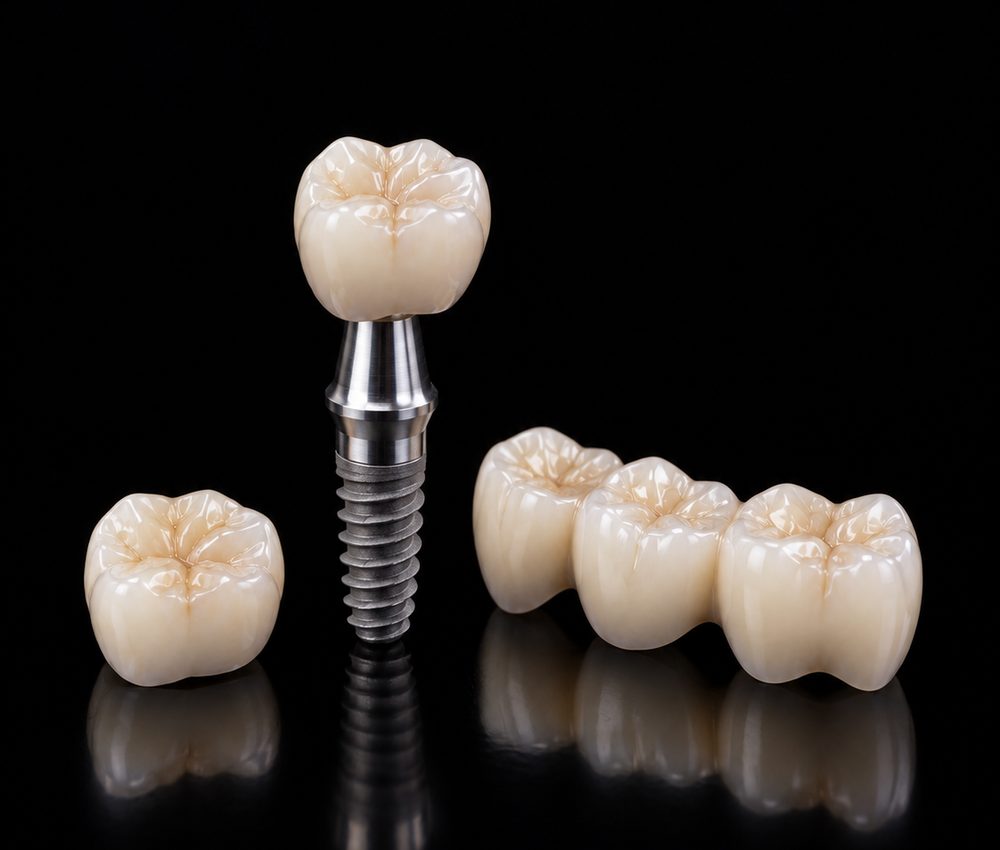
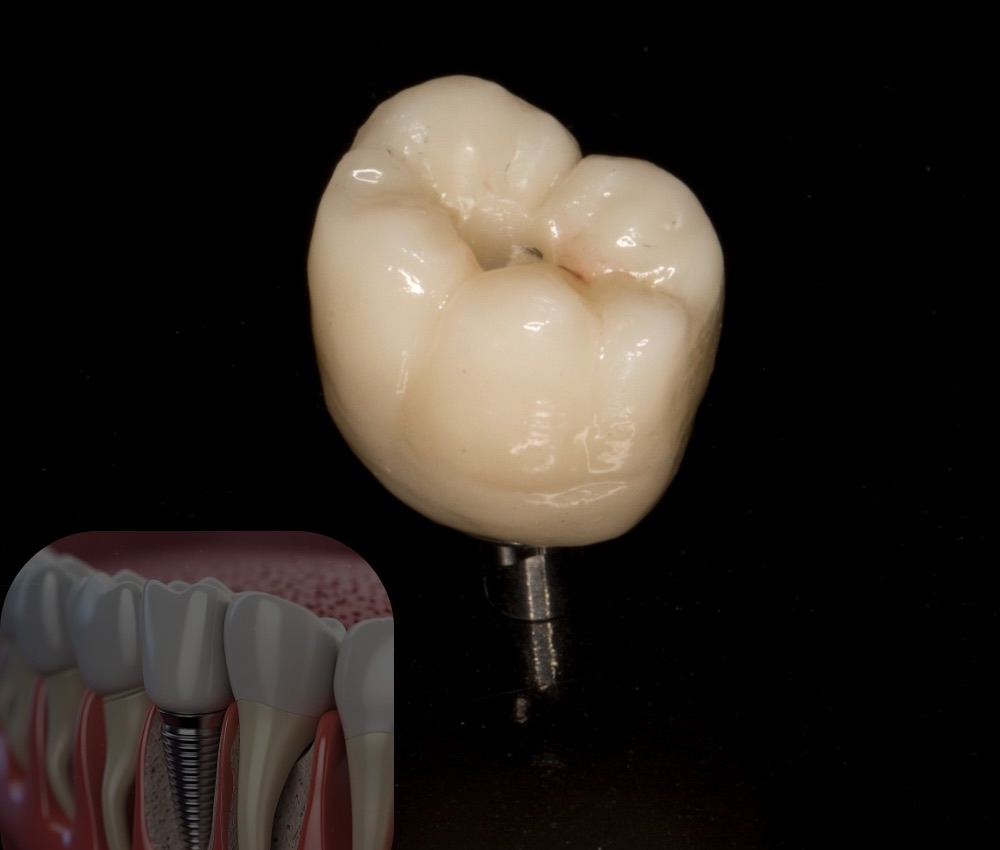
A dental implant is a small titanium post placed into the jawbone, where it acts like an artificial tooth root. Once healed, it supports a custom-made crown matched in shade and shape to your natural teeth. An implant can replace a missing tooth without relying on, or cutting down, the healthy teeth either side.
Treatment typically involves a planning phase with 3D CBCT imaging, the surgical placement of the implant, a healing period while the implant integrates with the surrounding bone, and finally the fitting of your permanent crown. Your dentist maps out the timeline for your individual case in your written plan.
May suit you if:
You're missing one or more teeth, or a tooth cannot be saved and needs replacing.
You'd prefer a fixed option that doesn't depend on neighbouring teeth for support.
Your bone volume and gum health are adequate: confirmed through clinical assessment and CBCT imaging.
Considerations: implants require sufficient bone volume, healthy gums and a healing period that can span several months; in some cases bone grafting may be recommended first. Smoking and certain medical conditions can affect healing. Implant placement is a surgical procedure and carries risks, so suitability is always determined by clinical assessment.
From $5,000 per tooth
Indicative only, confirmed after clinical assessment.
Fixed in placeDesigned to be removed only by your dentist for maintenance.
Full arch
Full Arch Dental Implants
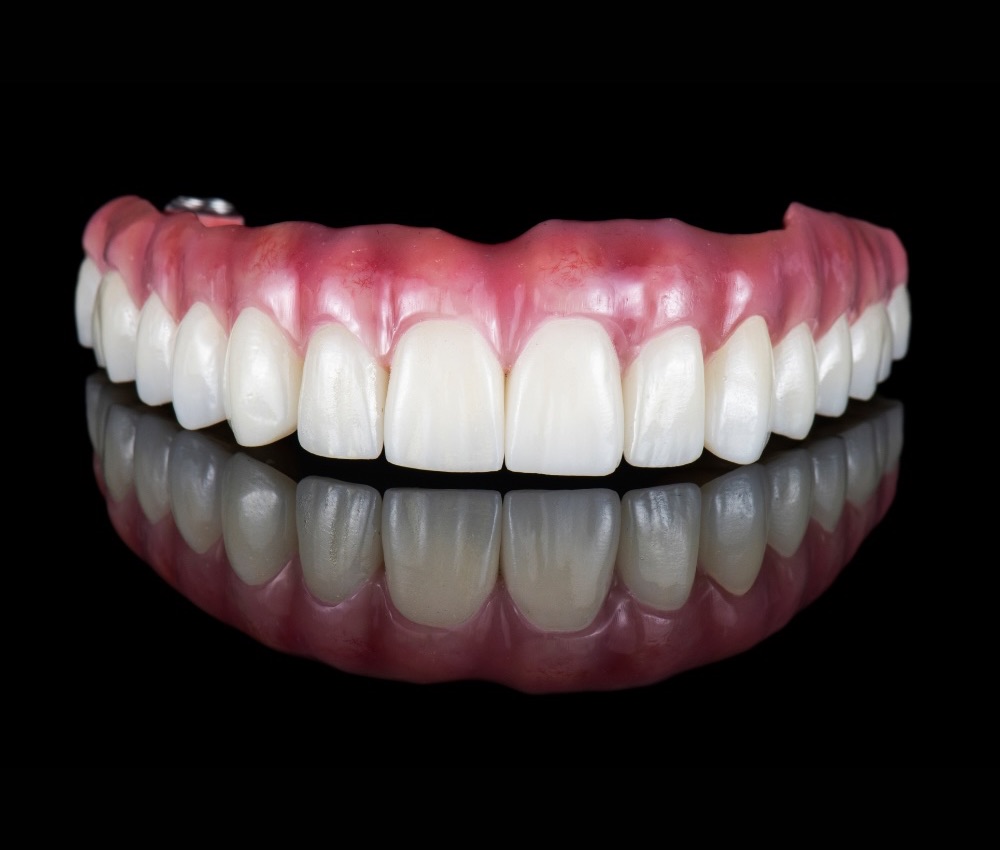
Full arch dental implants replace all teeth in the upper or lower jaw with a full set of fixed replacement teeth, supported by four or more strategically placed implants. Because the teeth are secured to implants rather than resting on the gums, this can be an option for people seeking an alternative to conventional dentures.
After detailed planning with CBCT imaging, the implants are surgically placed. Where clinically appropriate, some patients receive a provisional set of teeth while healing takes place. Your final teeth are custom-made and fitted once your treating clinician confirms the implants have integrated, a timeframe determined by your individual healing.
May suit you if:
You're missing most or all teeth in one jaw, or your remaining teeth are failing.
You'd prefer teeth that stay fixed in place over a removable denture, depending on individual circumstances.
You're prepared for a staged surgical process with a supervised healing period.
Considerations: this is a significant surgical procedure with a recovery and healing period. Whether provisional teeth are fitted on the day of surgery, and when final teeth follow, varies by individual and is decided by your treating clinician. Adequate bone volume, your general health and a commitment to ongoing hygiene and review appointments all influence suitability, which is determined by clinical assessment.
From $25,000 per arch
Indicative only, confirmed after clinical assessment.
Clip-in stabilityImplants anchor the denture, which can improve day-to-day stability.
Removable stability
Implant-Retained Dentures
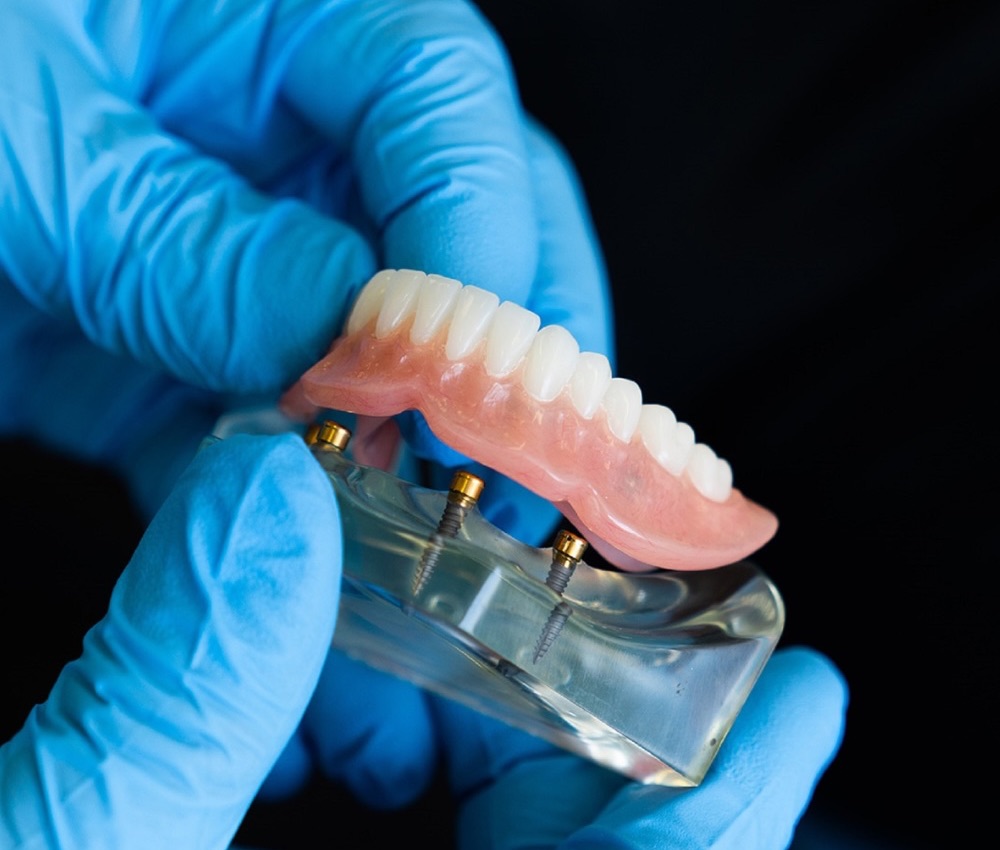
Implant-retained dentures are removable dentures that clip onto two or more implants rather than resting on the gums alone. The implants act as anchors, which can give the denture greater stability when eating and speaking than a conventional denture, at a lower cost than fixed full arch treatment.
Treatment involves the surgical placement of the implants, a healing period, and then the fitting of a custom denture with attachments that clip onto the implants. You remove the denture for cleaning, and your dentist shows you how to care for both the denture and the implants that support it.
May suit you if:
Your current denture feels loose or uncomfortable, or you worry about it moving when you eat or speak.
You want more stability than a conventional denture without the cost of fixed full arch treatment.
You're comfortable with a removable appliance that you take out to clean each day.
Considerations: like all dentures, implant-retained dentures need ongoing maintenance. The clips and attachments wear with use and are periodically replaced, and the denture itself may need relining or adjusting over time as your mouth changes. Implant placement is a surgical procedure, and suitability depends on clinical assessment.
From $15,000 per arch
Indicative only, confirmed after clinical assessment.
Shade-matchedDesigned to blend with the colour and shape of your natural teeth.
Repair & restore
Crowns & Bridges
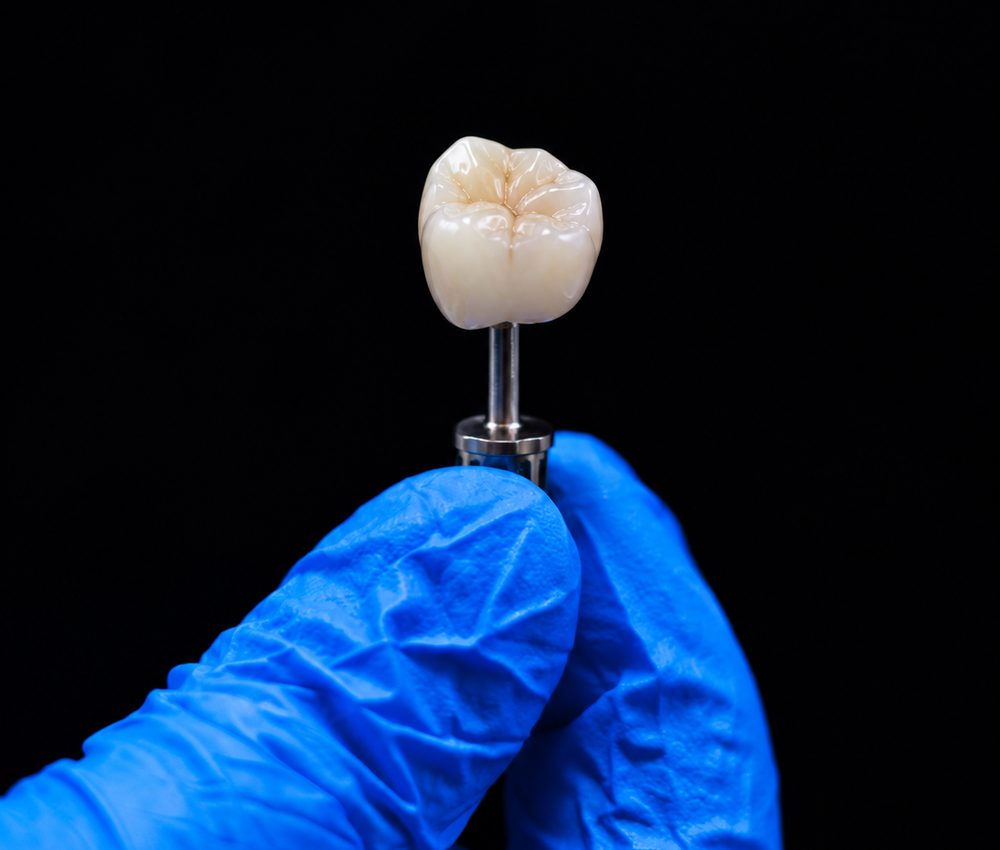
A crown is a custom-made cap that covers a damaged, cracked or heavily filled tooth, restoring its strength and appearance. A bridge replaces one or more missing teeth by anchoring artificial teeth to crowns on the teeth either side of the gap. Both are matched in shade and shape to blend with your natural smile.
Treatment usually takes place over two or more visits. Your dentist prepares the tooth (or the supporting teeth), takes detailed impressions or digital scans, and fits the final restoration once it has been custom-made. A well-fitted crown or bridge can help restore comfortable chewing and protect what remains of the natural tooth.
May suit you if:
A tooth is cracked, worn or heavily filled, or has been weakened after root canal treatment.
You have a small gap with healthy teeth either side that may be able to support a bridge.
You'd prefer a fixed restoration without implant surgery, depending on your individual circumstances.
Considerations: preparing a tooth for a crown or bridge involves removing some natural tooth structure, which is irreversible. Bridges also depend on the long-term health of the supporting teeth, and like all restorations they may need repair or replacement over time. Your dentist will discuss whether a crown, a bridge or an implant is the more appropriate option for your situation.
Digitally previewedSee the proposed design before any treatment begins.
Cosmetic dentistry
Veneers & Cosmetic Dentistry
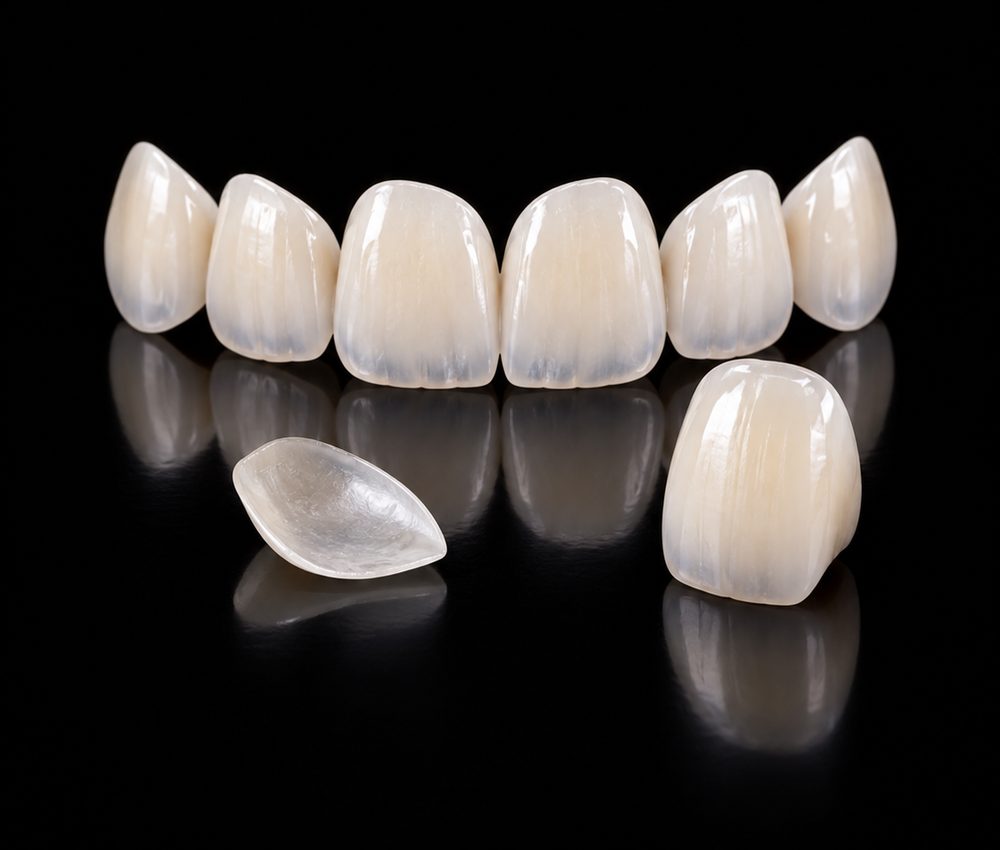
Veneers are thin, custom-made shells bonded to the front surface of teeth to improve the appearance of chips, discolouration, uneven edges or small gaps. Treatment is planned digitally, so you can preview the proposed design and talk through adjustments with your dentist before anything begins.
Most veneer treatments involve preparing the front surface of the teeth, taking precise impressions or digital scans, and bonding the finished veneers in place at a later visit. Because preparation usually removes a small amount of natural enamel, veneers are generally considered an irreversible treatment, which is why careful planning and honest advice matter.
May suit you if:
Your front teeth are chipped, worn, discoloured or uneven, and it affects your confidence.
Your teeth and gums are otherwise healthy: cosmetic treatment starts with a healthy foundation.
You'd like to preview a digitally planned design before deciding whether to proceed.
Considerations: veneers involve preparing natural tooth structure and are usually irreversible. They can chip or come away and may need replacement over time, and if you grind your teeth your dentist may recommend a night guard to protect them. As with any treatment, suitability is determined by clinical assessment.
Most people we speak with are weighing up one of three broad directions. Here's how they compare. Your dentist will confirm what's clinically appropriate for you.
Replacing one tooth, or a few
A single implant can replace a missing tooth without relying on its neighbours, while crowns and bridges may repair damage or close smaller gaps using the teeth you still have. Best suited to otherwise stable mouths, depending on assessment.
Full arch dental implants replace all teeth in a jaw with a fixed set supported by four or more implants: teeth designed to stay in place, removed only by your dentist. A surgical option for people missing most or all teeth in a jaw.
Implant-retained dentures clip onto implants, which can offer greater day-to-day stability than conventional dentures, then come out for easy cleaning: a middle path on both function and cost, depending on your circumstances.
Book an obligation-free phone consult with a Patient Support Coordinator. They'll listen to your situation, then connect you with a partner dentist who can advise which of these treatments may suit you.